
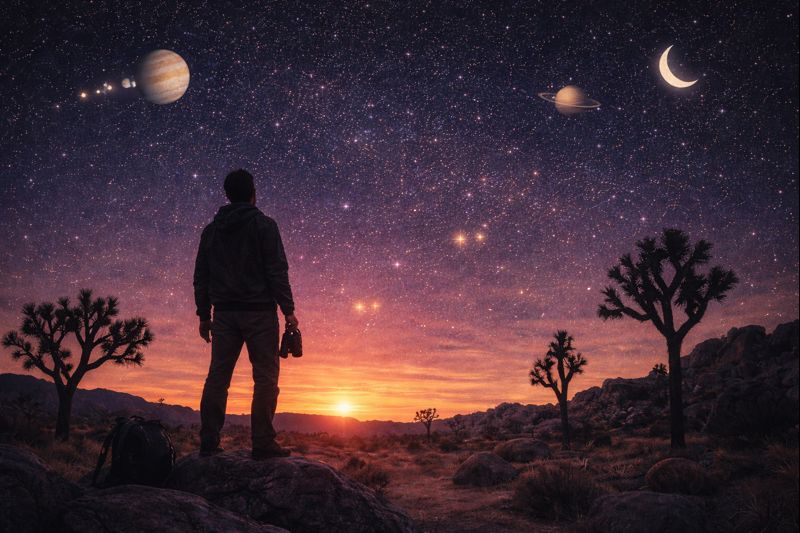
Early February is a rewarding time for planet viewing and tracking moon phases, especially here in the Joshua Tree desert, where dark skies and wide horizons make it easy to look up. The nights are long, the air is often crisp and steady, and several bright planets are visible without any advanced gear or astronomy experience.
Whether you’re stepping outside with a mug of tea, a pair of binoculars, or a small backyard telescope, this guide breaks down what’s happening in the northern hemisphere night sky this month — and how to enjoy planet viewing and moon phases without overthinking it.
A Quick Snapshot: What You Can See Right Now
If you only remember one thing, remember this:
-
Jupiter steals the show in the evening sky — bright, bold, and easy to spot
-
Venus returns to the evening twilight, glowing low in the west after sunset
-
Mercury makes a brief but worthwhile appearance later in the month
-
Saturn lingers low after sunset, best caught early
-
Mars sits out this round, staying too close to the Sun to observe well
And the best part?
You don’t need perfect timing — just a clear view of the horizon and a few minutes outside.
Moon Phases in Early February (and Why They Matter)
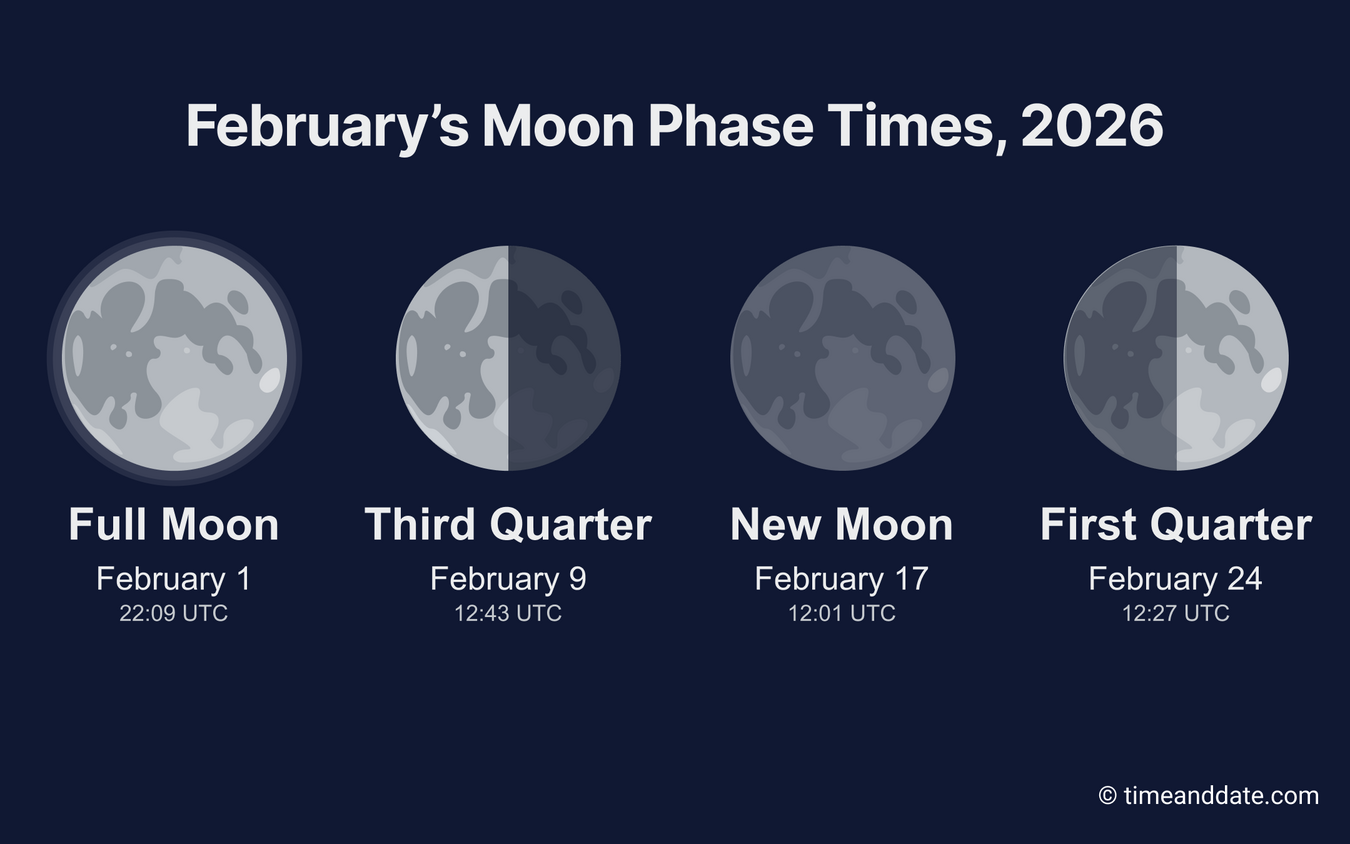
The Moon sets the rhythm of the night sky. Knowing its phase helps you decide what kind of experience to expect, not just when to look.
Key Moon Phases
-
February 1 — Full Moon (Snow Moon)
Bright and bold, lighting up the entire desert landscape -
February 9 — Last Quarter Moon
Best for early-morning viewing with dramatic crater shadows -
February 17 — New Moon
Dark skies return — ideal for planet viewing and stargazing -
February 24 — First Quarter Moon
One of the best phases for lunar detail in the early evening
Helpful rule of thumb:
-
Bright Moon = beautiful desert nights, fewer faint stars
-
Dark Moon = richer skies, better contrast for planets
Planet-by-Planet: What to Look For
Jupiter — The Easy Win
If you’re new to planet watching, start here.
When to look: After sunset, visible most of the evening
How to spot it: Bright, steady light that doesn’t twinkle much
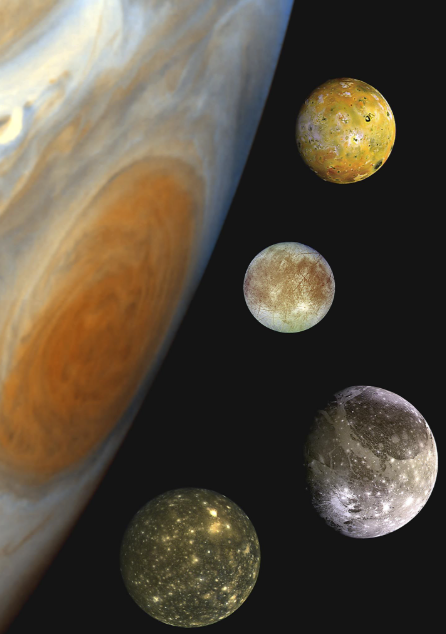
With binoculars:
You may see up to four tiny moons lined up beside it.
With a small telescope:
Cloud bands and moon movement are often visible.
This is one of those moments where people say, “Wait… those are moons?”
Yes — and they change positions night to night.
Venus — The Evening Star Returns
Venus reappears after sunset this month, hugging the western horizon.
When to look: 20–45 minutes after sunset
Where: Low in the west
What to expect: Extremely bright and impossible to miss once you spot it
With a telescope, Venus shows phases, just like the Moon — a favorite surprise for first-timers.
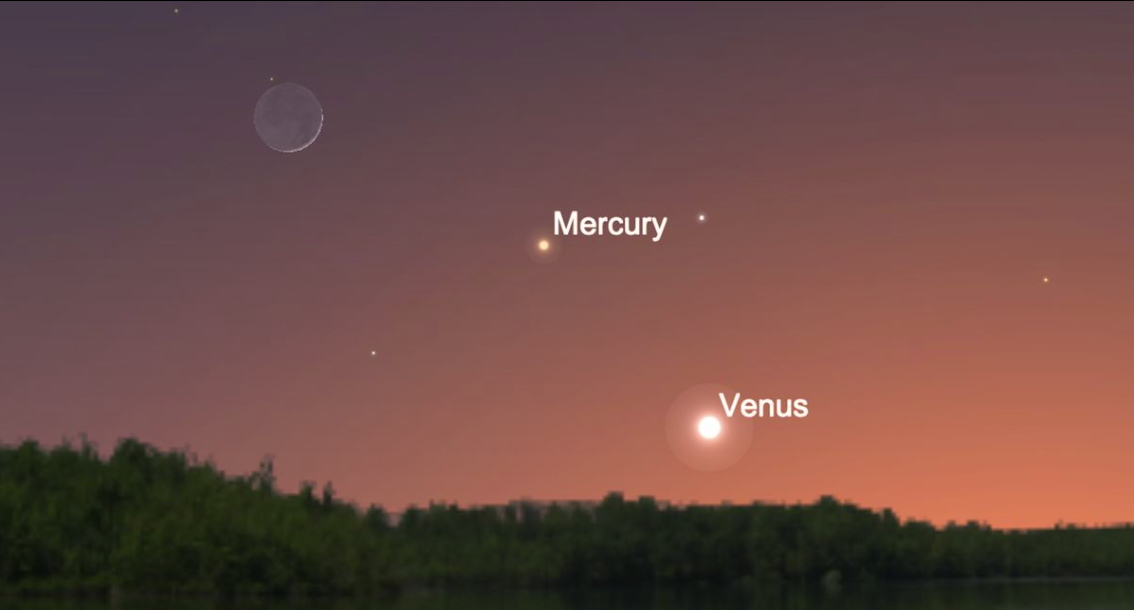
Mercury — A Quick Catch (Mid to Late February)
Mercury never hangs around for long, but mid-to-late February offers one of the best evening opportunities this year.
Best dates: Around February 18–22
When: Shortly after sunset
Tip:
You’ll need a clear, unobstructed western horizon.
This one feels like a small victory when you spot it — blink and you’ll miss it.
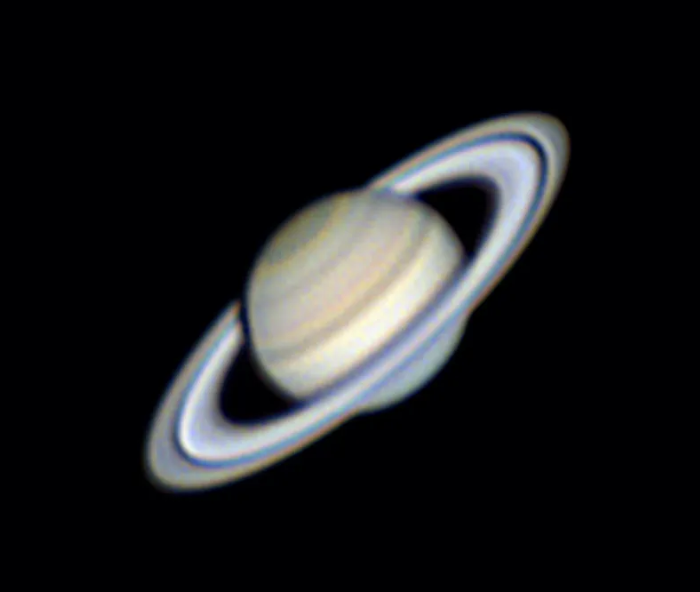
Saturn — Low and Brief, But Worth It
Saturn remains visible just after sunset but sinks lower each evening.
When: Right after sunset
Where: Western sky
Telescope bonus:
The rings are always a crowd-pleaser, even at low altitude.
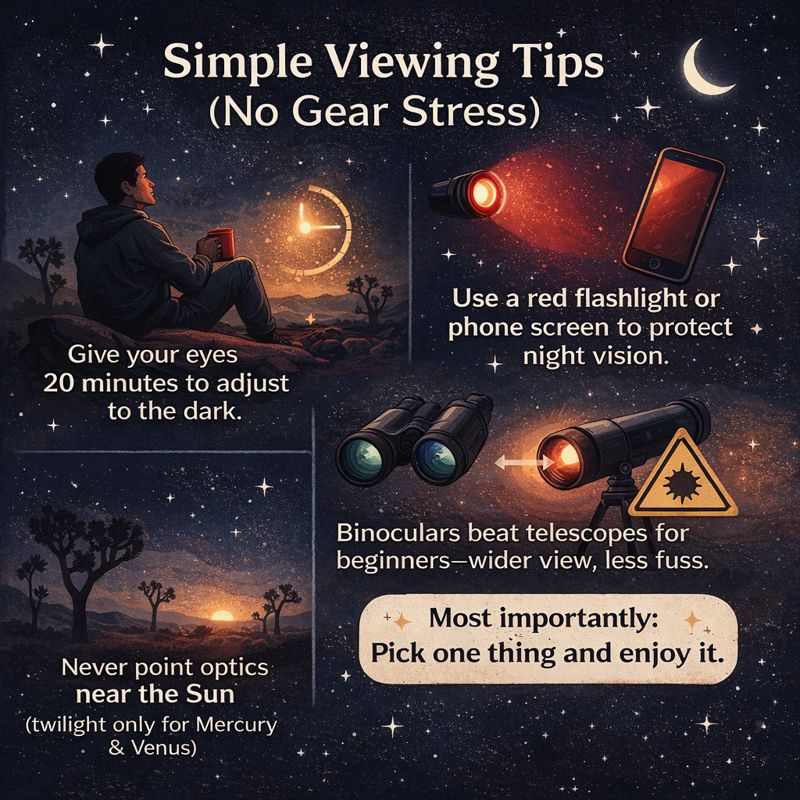
Simple Viewing Tips (No Gear Stress)
-
Give your eyes 20 minutes to adjust to the dark
-
Use a red flashlight or phone screen to protect night vision
-
Binoculars beat telescopes for beginners — wider view, less fuss
-
Never point optics near the Sun (twilight only for Mercury & Venus)
Most importantly:
You don’t need to see everything. Pick one thing and enjoy it.
Final Thought: Let the Sky Be Part of the Experience
The night sky doesn’t ask for perfection or expertise.
It doesn’t care if you know the names of the stars or own the right equipment. What it asks for is simple: curiosity, a few unhurried minutes, and a willingness to step outside and look up.
Early February is especially good at reminding us of this. The air is still, the nights are long, and the brightest planets make themselves known without effort. These are the kinds of evenings where you notice Jupiter’s moons shifting, watch Venus fade into twilight, or linger a little longer under a changing Moon — not because you planned to, but because it feels good to pause.
Those quiet moments are often what stay with us. A short walk into the dark. A shared “did you see that?” A sense of scale that gently pulls us out of our day-to-day noise. If you’re craving more of those moments, staying somewhere with truly dark skies makes all the difference. Booking direct with us means choosing a desert home where stepping outside to look up is part of the experience — not an afterthought.
Early February offers simple, rewarding views — the kind that turn an ordinary evening into something genuinely memorable.
0 Comments